
How to get started with digital giving
What is digital giving and how could it help your church? Here’s a quick guide to getting started
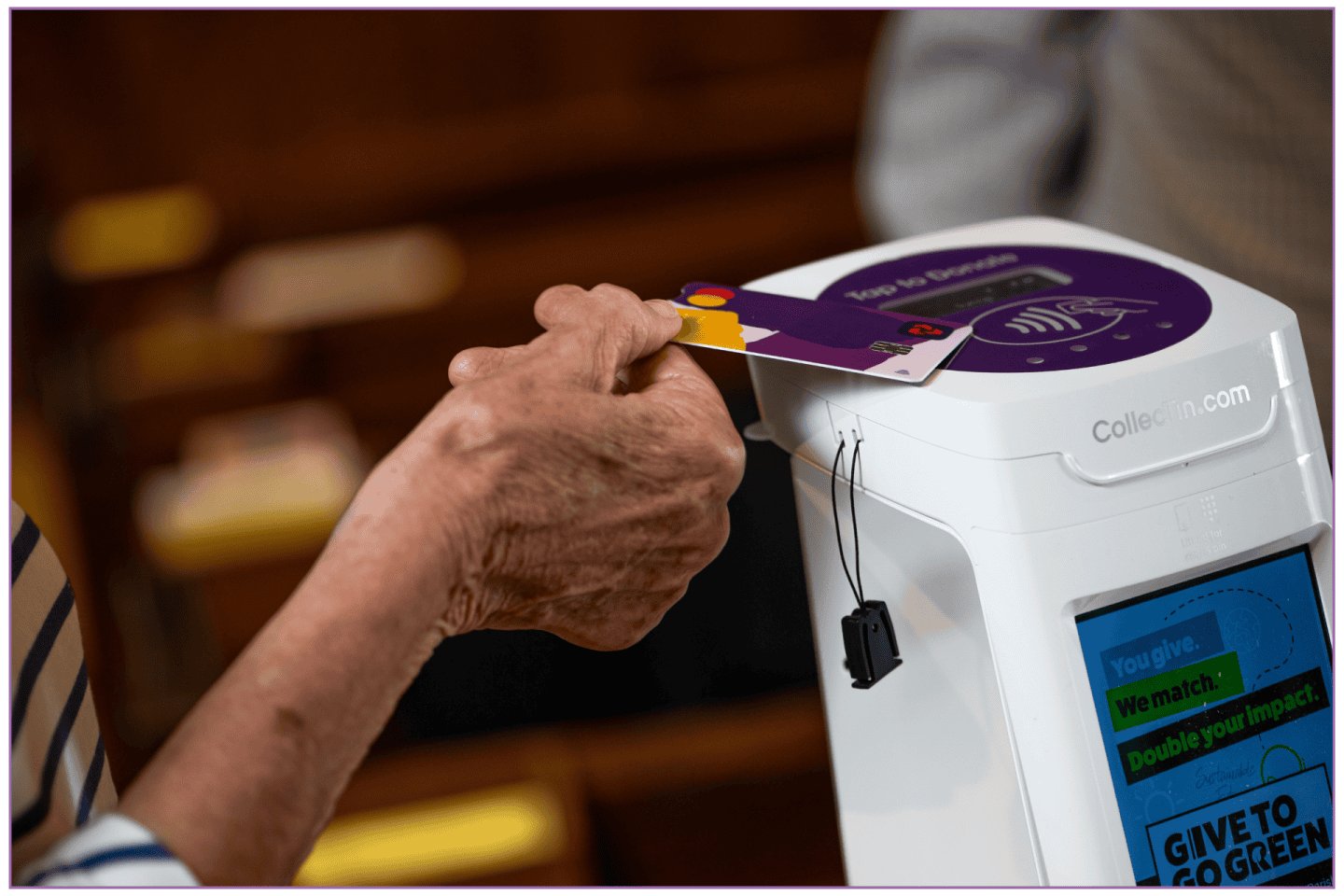

YEAR-ON-YEAR DIGITAL GIVING grows as the most popular method of giving in churches. This guide explains the benefits of digital giving, and offers practical steps for churches to get started with online and contactless giving.
What is digital giving?
In our increasingly cashless society, it is more important than ever to think about how people can give digitally. Digital giving refers to donations made online (including via a QR code) or in-person using a bank card or smart device.
In 2025, churches raised almost £25m between them through these digital methods. This figure is growing year-on-year as more churches adopt these mechanisms alongside other methods of giving.
Why use digital giving?
- High-value donations – In 2025, the average contactless or chip-and-PIN donation to churches was £8.73, while the average online gift was £30.19. Parishes received an average of over £2,500 annually through contactless giving.
- Declining cash use – As fewer people carry cash, churches need additional ways to enable cashless giving.
- Convenient and accessible – Contactless giving is widely used in everyday settings like shops and cafés, making it familiar and easy for people to use. Digital giving methods are also straightforward for churches to manage, offering reliable reporting for donations and Gift Aid.
Where to start
Step 1: Online giving
The easiest way to start with digital giving is by setting up an online giving page. There are a few options are available to churches with no upfront or ongoing costs (aside from transaction fees), making this a simple first step.
Once created, the page can be shared on your church website, A Church Near You page, and social media. You can also create a QR code for posters, flyers, or service sheets, allowing people to scan and donate from their phones.
Parish Buying offers two online giving providers: Give A Little and the Parish Giving Scheme. Setup guidance is available on the Parish Buying website (Parish Buying – Online Giving & QR Codes). Note, you will need a log in to access this page, but it is free to register with Parish Buying.
Step 2: Contactless giving
Having a contactless device in church allows visitors to donate with a simple tap of their card.
Although there are upfront and sometimes ongoing costs, in 2025 the average annual amount that a parish raised through contactless giving was over £2,500, meaning many devices quickly cover their costs.
Finding the right device for your church can take a bit of thought. As well as your budget, some things to consider will be:
- Availability of Wi-Fi or mobile signal
- Regular attendance and visitor numbers
- Number of weddings, baptisms, and funerals held in church
- Device design and placement within the church
There is more information available about contactless giving on the Church of England Contactless page.
Parish Buying provides guidance to help you start with contactless giving (Parish Buying – Contactless Giving), along with a list of discounted devices available to purchase (Parish Buying – Contactless Devices).
Step 3: Help available
Most dioceses have a Giving Advisor who is on hand to help churches grow giving and generosity. Many Giving Advisors are familiar with digital giving and can support you in exploring these mechanisms. You can find your diocese’s Giving Advisor here (Diocesan Giving Advisors | The Church of England).
You can also contact [email protected] to request help from the national team.
Related resources

Making the most of digital giving at Christmas
Revitalising the Parish for Mission

How to get funding for your church: The Cornerstone grants database
Revitalising the Parish for Mission
Resourcing the Church? Reflecting on research on Resource Churches
Revitalising the Parish for Mission