
Hope in action: How churches are caring for God’s creation
Three churches share how practical action on climate and creation care is helping their communities respond with faith and build hope for the future

IN THE APOSTLE’S CREED, WE say, ‘I believe in God, the Father almighty, creator of heaven and earth.’ We believe God created this beautiful world and entrusted its care to humans. Yet today, we face a climate crisis and witness the destruction of ecosystems and the planet’s diversity, which affect communities worldwide and are, to a significant extent, of human making. The stories and reports we read about the environment are seldom positive or hopeful, and it can feel as though a great question mark has been placed over our planet and over our future. But perhaps this can invite us to a deeper question: what do we believe about God as Creator and humans as the carers of creation?
We have invited three examples of creation care from three churches to consider this this question, beginning with the words of Nehemiah (1:5 NIV):
‘O Lord, God of heaven, the great and awesome God, who keeps his covenant of love with those who love him and obey his commands.’
Three examples of creation care
Haslemere Parish
‘I would love to feel comfort in knowing that I’m able to pass down a beautiful world to the next generation so that it can be loved for many more. I definitely feel that my faith has an influence on this as in such a dark time I can use my faith as a beacon of hope and light. Also, as a reminder that it’s Gods beautiful creation I’m caring for providing me with motivation to keep going.’ Yasmin, a young climate activist
At Haslemere Parish in the Diocese of Guildford, the congregation was prompted to explore a range of creation care initiatives after hearing young people in the parish voice their growing concerns about climate change. In 2021, Verity, then the Children’s and Families Worker, encouraged the young people to share not only their concerns but also what God was inspiring them to do.
This developed into hands-on community action, ranging from creating and tending a wild verge garden with insect-friendly wildflowers and apple trees to building a dead hedge and bug hotel, taking part in litter picks and water testing, and working in a community garden.
The initiatives at Haslemere Parish have empowered young people to become positive activators and drivers of change, which has impacted the wider community, offering opportunities for others to join in.
Christ Church, Flackwell Heath
‘Caring for creation is a form of preaching the gospel,” he says. “If we believe the world is a gift from God, then mistreating it is contradictory to the Christian message of hope and salvation.’ Rev’d Dwyer
Christ Church in Flackwell Heath, Diocese of Oxford, has a big heart to serve its village of 6,000 people and three schools. Led by Rev’d James Dwyer, the congregation is motivated by the conviction that care for community and creation go hand in hand.
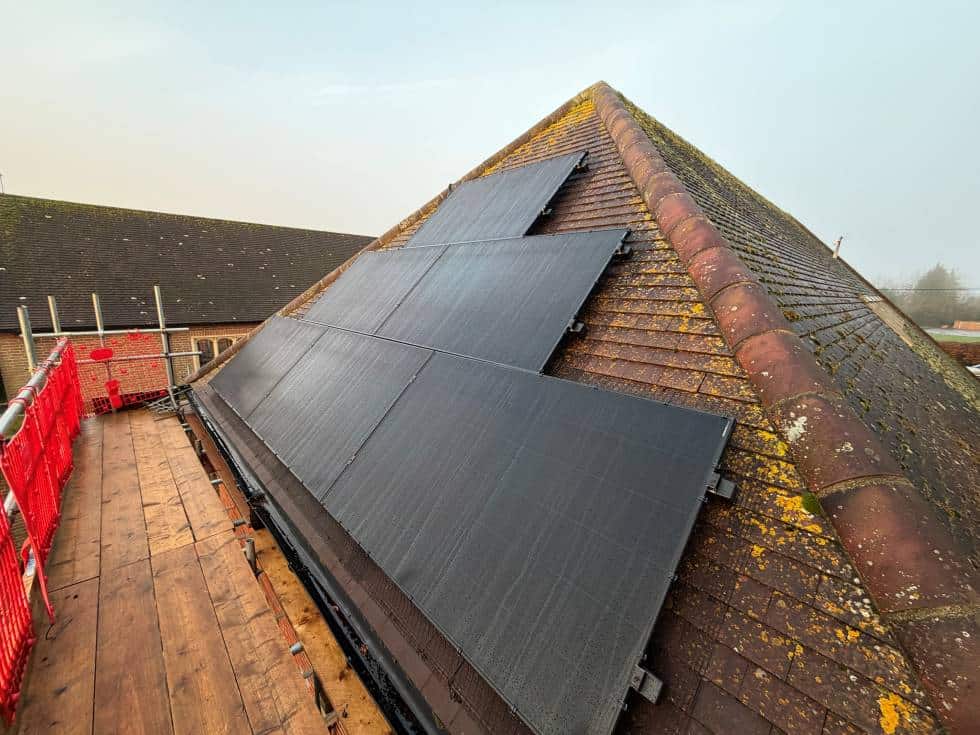
Early steps included engaging with A Rocha UK’s Eco Church framework, encouraging people to bring reusable mugs, and promoting walking and cycling to services. These initial actions revealed a growing appetite to make a greater impact. The church turned its focus to making its buildings and wider community life more sustainable, which included switching to LED lighting, draught-proofing the building, and installing 45 solar panels with battery storage on the church hall.
The project has reduced the church’s carbon footprint, fed surplus electricity back into the local network, and turned care for creation into a visible witness of faith.
St Luke’s, Maidstone
‘God wants us to look after creation, and we model that to our community… Be bold and courageous and go for it, because you can make small, incremental changes that have a significant impact.’ Rev’d Dickinson
St Luke’s, Maidstone, in the Diocese of Canterbury, is a New Wine demonstrator church with a vision to help people come to faith and grow in faith in Jesus. Creating a warm, welcoming space where people can begin and grow in faith is central to this mission, and care for creation is part of it.
Led by Rev’d Gareth Dickinson, St Luke’s set out to reduce its carbon footprint while making its old, cold church building warmer. The church added draught excluders, replaced halogen bulbs with LEDs, and swapped its old gas heating system for infrared chandeliers designed to heat people rather than large spaces. As well as significantly reducing costs, Rev’d Dickinson says the changes have transformed the community: ‘because we’re seeing more people come, more people feeling welcomed, and more people are joining us on a Sunday.’
What we learned and why it worked
Rebuild brick-by-brick
Just as Nehemiah rebuilt Jerusalem’s devastated wall brick by brick, rebuilding trust and confidence as stewards of creation starts with small, manageable steps. The BRICK acrostic offers a simple, memorable guide:
Begin with what God has placed on our hearts.
Review the challenges and possible solutions.
Identify key areas for action.
Create a clear church action plan.
Kick off with small steps and build on success.
As Rev’d Dickinson encouragingly says:
‘Be bold and courageous and go for it, because you can make small, incremental changes that have a significant impact.’
Collaborate
It takes a whole community organised into action groups to rebuild a wall. Collaboration on small and large scales is instrumental in driving forward action and identifying the necessary provision and funding. Below are some ideas that worked well for our three churches:
- Appoint a Climate or Green Champion with freedom to explore practical ways your church can care for creation and support others to take action.
- Form an Eco Sub-committee, where appropriate, perhaps as part of the PCC, to coordinate environmental initiatives and drive progress.
- Start your Eco Church journey. Register with A Rocha UK and use the Eco Church survey to assess where your church is now, identify priorities and plan practical action towards a Bronze, Silver or Gold award.
- Explore funding opportunities through your diocese, charitable trusts and the National Church.
- Explore established environmental initiatives, such as Net Zero Carbon programmes, and consider how they could support your church’s action plan.
- Connect with other churches locally and further afield to share ideas and learning.
The advice from Haslemere Parish is:
‘Collaboration is key… When we work together, such a hard and big goal immediately becomes smaller. It’s important to remember every little step we do together tallies up to impacting a larger scale. So please don’t ever feel ashamed to reach out and ask for help or offer your help as we’re all in this together. So let’s share our faith to become one strong united force.’
Heralds and Storytellers
We are all not only stewards of creation but also stewards of the good news of God with us. We can invite those gifted in storytelling and communicating within our communities to help us shape the story and share it more widely:
- With our congregations.
- Through parish and diocesan channels of communication, such as in newsletters.
- With the wider community, through events hosted at church.
- Beyond our parish, through workshops, events or an eco-conference that shares experience and inspires action.
Next steps
- Visit other churches. Learn from Church of England Demonstrator Churches and other churches already undertaking net-zero projects. The Demonstrator Churches network is designed to share practical experience and learning across the Church. (Demonstrator Churches)
- Contact Net Zero Carbon Officer or Diocesan Environment Officer (DEO). They can advise on your church’s next steps, available support and funding. Find the contact for your diocese on the Church of England’s Diocesan Environment and Net Zero Carbon Officers page.
Closing reflection
Our story is not all doom and gloom, even when the subject is climate change. Humans have contributed significantly to the problem, but they can also be part of God’s creative and restorative work on earth. The Church confronts eco-anxiety through effective action and by empowering others to make a difference. The challenges are real, but so is our hope for good things in our future, because God is in it.
Related resources

A once closed city centre church is now thriving with eco-friendly transformation
Sustaining the earth
Infra-red heating helps village church with missional heart offer a warm welcome
Sustaining the earth